
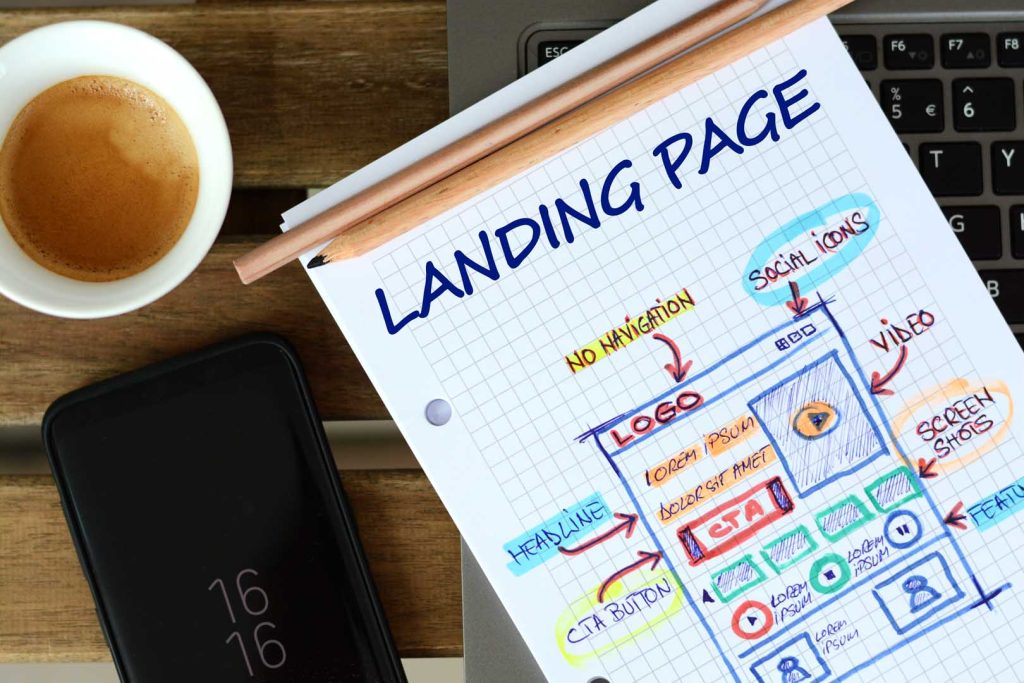
Your landing page has one job: turn visitors into leads or customers. Whether you’re running Google Ads, Facebook campaigns, or email promotions, even small landing page mistakes can quietly destroy your conversion rates and waste ad spend.
At SC Digital, we regularly audit landing pages for businesses across industries, and the same issues come up again and again. The good news? Most conversion-killing mistakes are fixable with the right strategy and user-focused design.
Here are the biggest landing page mistakes that could be hurting your results — and how to fix them.
1. Weak or Unclear Headlines
Your headline is the first thing visitors see. If it doesn’t immediately explain what you offer and why it matters, users will leave before scrolling. A common mistake businesses make is using vague headlines like:
- “Welcome to Our Website”
- “Quality You Can Trust”
- “Your Partner for Success”
These phrases don’t communicate value or solve a problem. Instead, your headline should clearly explain:
- What you do
- Who you help
- What outcome customers can expect
For example: “Generate More Qualified Leads With Strategic Google Ads Management.” Clear messaging creates instant understanding and keeps users engaged.
2. Sending Traffic to a Generic Website Page
One of the biggest mistakes businesses make is driving paid traffic to their homepage instead of a dedicated landing page. Homepages are designed to serve multiple audiences and goals. Landing pages should focus on one specific service, campaign, or offer. If someone clicks an ad for roofing services, they should land on a page specifically about roofing, not a generic homepage with dozens of navigation options.
Dedicated landing pages improve:
- Relevance
- User experience
- Quality Scores in Google Ads
- Conversion rates
The more aligned your ad and landing page are, the better your results will be.
3. Too Many Distractions
Landing pages should guide users toward a single action. Too many distractions can pull visitors away from converting. Common distractions include:
- Full website navigation menus
- Multiple offers
- Excessive text
- Too many buttons or calls-to-action
- Unnecessary animations or popups
A high-converting landing page keeps users focused. Every section should support the main goal — whether that’s filling out a form, booking a consultation, or making a purchase. Simplicity often converts better than complexity.
4. Slow Load Times
Speed matters more than most businesses realize. If your landing page takes too long to load, users will leave before they even see your offer. Slow pages also negatively impact SEO and paid ad performance. Common causes of slow landing pages include:
- Oversized images
- Poor hosting
- Excessive scripts or plugins
- Unoptimized mobile experiences
A fast-loading page creates a smoother user experience and keeps potential customers engaged. In digital marketing, even a one-second delay can reduce conversions significantly.
5. Poor Mobile Experience
Most website traffic today comes from mobile devices, yet many landing pages are still designed primarily for desktop users. Common mobile issues include:
- Tiny text
- Buttons that are difficult to click
- Broken layouts
- Long forms
- Slow load speeds
A landing page should be fully optimized for mobile users from the start. That means:
- Clean layouts
- Easy-to-read content
- Large buttons
- Fast performance
- Short, user-friendly forms
If your mobile experience is frustrating, your conversion rates will suffer.
6. Weak Calls-to-Action
Your call-to-action (CTA) tells visitors exactly what to do next. Weak or generic CTAs can lower engagement and reduce conversions. Examples of weak CTAs:
- “Submit”
- “Click Here”
- “Learn More”
Instead, use action-driven language that communicates value:
- “Get a Free Quote”
- “Schedule Your Consultation”
- “Start Growing Your Business”
- “Book Your Free Audit”
Strong CTAs create clarity and urgency. Placement matters too. Your CTA should appear throughout the page, not just at the bottom.
7. Lack of Trust Signals
Visitors are cautious, especially if they’ve never heard of your business before. Without trust signals, many users hesitate to convert. Effective trust signals include:
- Customer reviews
- Testimonials
- Case studies
- Certifications
- Awards
- Client logos
- Before-and-after results
Social proof helps reduce uncertainty and builds credibility. If you’re asking users to trust your business, your landing page should provide evidence that you can deliver results.
8. Asking for Too Much Information
Long forms can create friction and discourage conversions. Many businesses ask for unnecessary information upfront, such as:
- Full addresses
- Detailed project information
- Multiple phone numbers
- Large questionnaires
In most cases, shorter forms convert better. Only ask for the information you truly need to start the conversation. You can always gather more details later during follow-up. Reducing friction often leads to higher conversion rates.
Improving Landing Page Performance Starts Here
A beautiful landing page means nothing if it doesn’t convert. The highest-performing landing pages are clear, focused, fast, and designed around user intent. Small improvements to messaging, layout, speed, and calls-to-action can dramatically improve lead generation and return on ad spend. At SC Digital, we help businesses build landing pages that not only look professional but are strategically designed to generate real results. If your current landing pages aren’t converting the way they should, it may be time for a performance-focused redesign.