
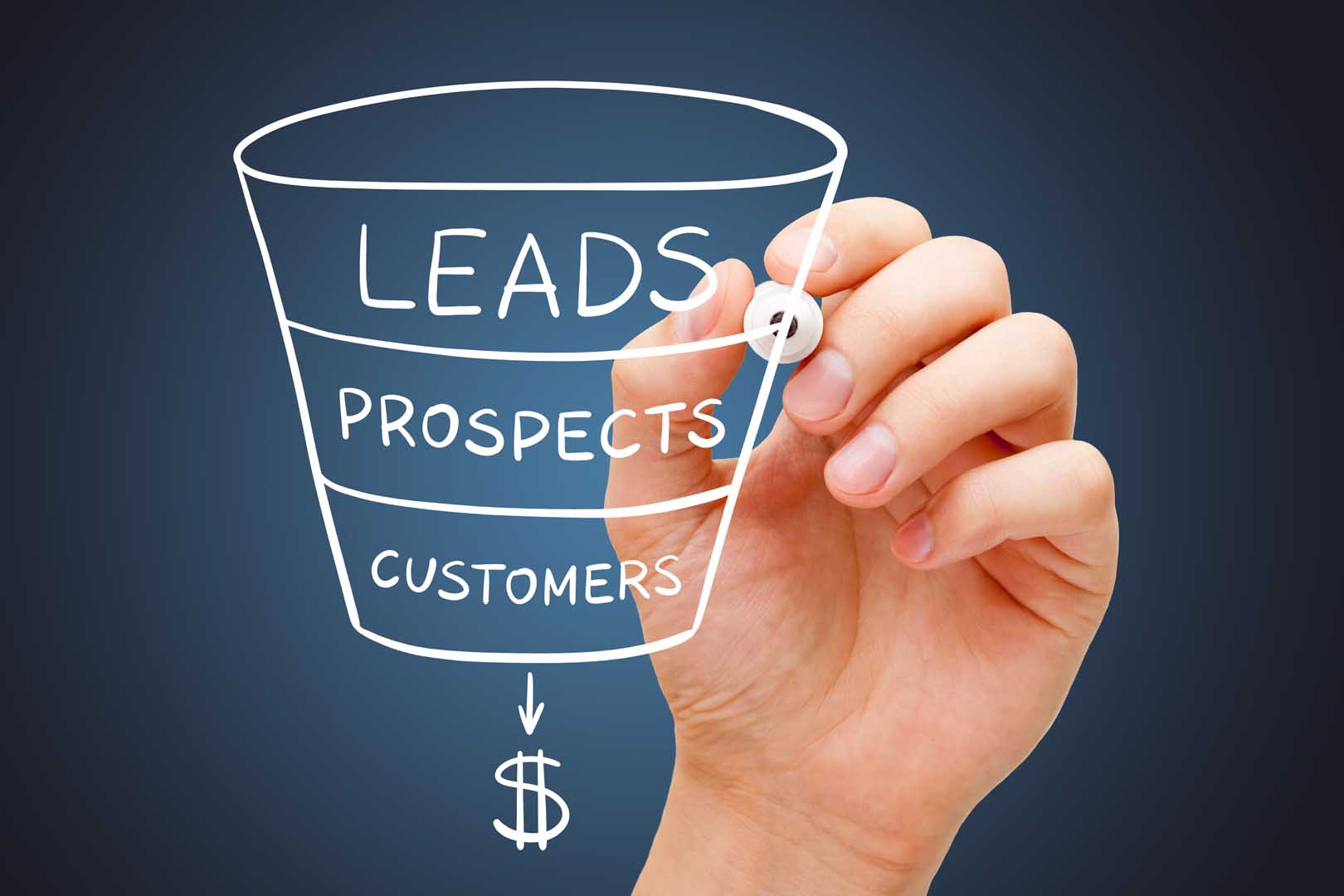
Getting a new lead can feel like a win. Someone filled out your form, called your business, or sent a message, so the marketing is working.
But not every lead is necessarily a good lead.
A lead can be real and still be a poor fit for your business. They may be looking for a service you don’t offer, live outside your service area, have a budget that doesn’t align with your pricing, or simply be gathering information with no intention of hiring anyone.
That’s why lead quality matters just as much as lead volume. A qualified lead has a reasonable likelihood of becoming a customer because they fit what your business offers and have a genuine need for your services.
They Need a Service You Actually Offer
The first question is simple: Does this person need what your business provides?
If you’re a commercial electrician and someone contacts you looking for residential appliance repair, that inquiry may count as a lead, but it isn’t a qualified one.
Your marketing should make your services clear enough that potential customers understand what you do before they contact you. This can help reduce inquiries that aren’t relevant to your business.
They’re in Your Service Area
Location can be another major factor.
A landscaping company serving Southern New Hampshire isn’t going to benefit much from a lead several states away. The same applies to local contractors, home service companies, professional services, and other businesses that only serve specific geographic areas.
A qualified lead should generally be located within the area your business is equipped to serve.
This is also why geographic targeting and clear service-area information are important parts of lead generation. The goal isn’t simply to get your business in front of more people. It’s to reach more of the right people.
They Have a Genuine Need
A qualified lead usually has a problem, need, or goal that your business can help with.
Someone searching for emergency plumbing services because they have a burst pipe has a very different level of intent than someone casually reading about how plumbing repairs work.
That doesn’t mean informational searches have no value. Someone researching a problem today could become a customer later. But when evaluating lead quality, it’s useful to understand where someone is in the buying process.
They’re a Reasonable Fit for Your Pricing
Price can also determine whether a lead is qualified.
If your typical projects start at $5,000 and someone is looking for a $500 solution, there may be a significant mismatch between what they need and what your business provides.
This doesn’t mean every lead needs to know your exact budget before contacting you. However, giving potential customers enough information about your services, scope, or general pricing structure can help set expectations.
In some cases, a qualification question on a lead form can also help identify whether a potential customer is within your typical project range.
They’re Ready to Have a Conversation
Intent matters.
A person who calls and says, “I’d like to schedule an estimate,” is demonstrating a different level of intent than someone who submits a form with only a name and email address.
Again, lower-intent leads aren’t necessarily bad. They may simply need more information before they’re ready to make a decision.
The important thing is to understand the difference. If your marketing generates a lot of early-stage inquiries, your business may need a strong follow-up process to stay in front of those prospects.
The Lead Has Enough Information to Follow Up
A qualified lead also needs to give your business enough information to take the next step.
For example, a form submission that includes a name, phone number, service needed, and project details gives a sales team much more to work with than a submission that only says, “Please contact me.”
The right information will vary by business. A roofing company may need to know the type of project and property location. A marketing agency may want to know the company’s goals, services, and current marketing setup.
The goal isn’t to create a long, complicated form. It’s to collect the information that actually helps determine whether the inquiry is a good fit.
Lead Quality Should Be Part of Your Marketing Reporting
If you’re only tracking how many leads your marketing generates, you may be missing an important part of the picture.
Imagine one marketing channel generates 50 leads and another generates 15. At first glance, the first channel looks like the clear winner.
But what if only three of those 50 leads become customers, while eight of the 15 leads from the second channel become customers?
The second channel is producing fewer leads but significantly better results.
That’s why businesses should look beyond lead volume and, when possible, track what happens to those leads after they enter the sales process. Which leads become appointments? Which become customers? Which services do they purchase? Which marketing channels are generating them?
This information can help you make better decisions about where your marketing budget should go.
A Qualified Lead Is About Fit, Not Just Volume
More leads aren’t automatically better.
A successful lead generation strategy should bring in people who need your services, are located where you can serve them, fit your typical customer profile, and have a reasonable likelihood of becoming customers.
Once you start looking at leads this way, your marketing reports can tell you much more than how many forms were submitted or how many phone calls came in.