
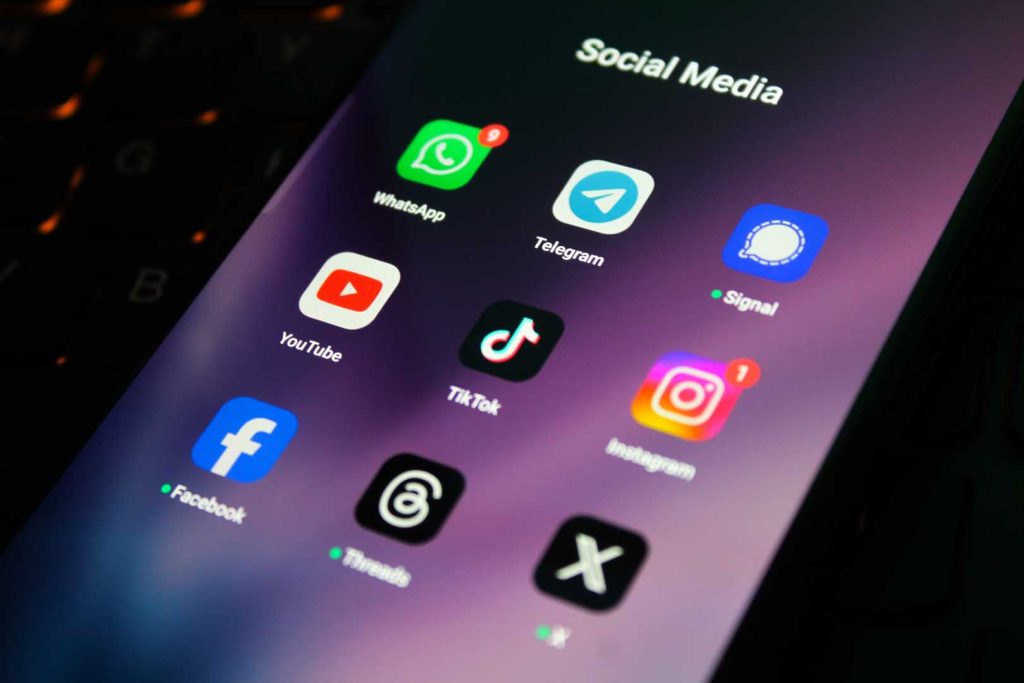
One of the most common questions businesses ask is, “How often should we post on social media?” The answer is not as simple as picking a number. While posting frequency matters, consistency and quality matter even more. Posting every day with content that provides little value will not outperform a thoughtful strategy with content your audience actually wants to see. The goal of social media is not simply to fill your feed. It is to build trust, stay top of mind, educate your audience, and create opportunities for future customers to engage with your business.
Consistency Beats Quantity
Many businesses start with ambitious goals of posting every day. After a few weeks, they run out of ideas, become too busy, or lose momentum altogether. An inconsistent posting schedule makes it difficult to build an engaged audience. If you disappear for weeks at a time, your followers are less likely to remember your business when they need your products or services.
A more realistic approach is to create a posting schedule you can maintain long term. Whether that is two posts per week or five, consistency builds familiarity and keeps your business visible. Showing up regularly is far more effective than posting heavily one month and disappearing the next.
Focus on Valuable Content
Every post should serve a purpose. Instead of asking yourself how often you should post, ask whether your content provides value to your audience.
Helpful content often performs better than promotional content. Customers want answers to their questions, useful tips, behind-the-scenes insights, customer success stories, and educational information that helps them make informed decisions.
When you consistently provide value, your audience is more likely to engage with your content, share it with others, and remember your business when they are ready to buy.
Every Platform Is Different
Not every social media platform requires the same posting frequency. Platforms like Instagram and Facebook often reward consistent posting a few times each week, while LinkedIn may require fewer, more educational posts. Short-form video platforms like TikTok can benefit from more frequent content because trends move quickly.
Rather than trying to dominate every platform, focus on the channels where your audience spends the most time. A strong presence on two platforms is often more effective than spreading yourself too thin across six.
Engagement Matters More Than Posting
Publishing content is only part of social media management. Responding to comments, answering messages, engaging with followers, and interacting with other local businesses all contribute to building a stronger online presence.
Social media is designed to be social. Businesses that actively participate in conversations often see stronger engagement than businesses that only publish content and never interact with their audience. Making time for engagement helps build relationships and shows customers there are real people behind your brand.
Create a Content Plan
One of the biggest reasons businesses stop posting is because they are creating content at the last minute. A content calendar helps eliminate the stress of constantly wondering what to post. Planning topics in advance allows you to create a healthy mix of educational content, customer testimonials, company updates, seasonal promotions, industry insights, and community involvement. Having a strategy also ensures your social media supports your broader marketing goals instead of becoming an afterthought.
Quality Content Drives Long-Term Results
Social media success rarely happens overnight. Building an engaged audience takes time, consistency, and a clear understanding of what your customers find valuable. Instead of chasing viral trends or feeling pressured to post every day, focus on creating content that reflects your expertise and builds trust with your audience. Over time, those consistent efforts strengthen your brand, increase visibility, and create more opportunities for customers to discover your business.
At SC Digital, we help businesses take the guesswork out of social media marketing. From content planning and graphic design to social media management and paid advertising, our team develops strategies that keep your business active, relevant, and connected with the people who matter most. The result is a social media presence that supports your overall marketing efforts and helps drive meaningful business growth.