
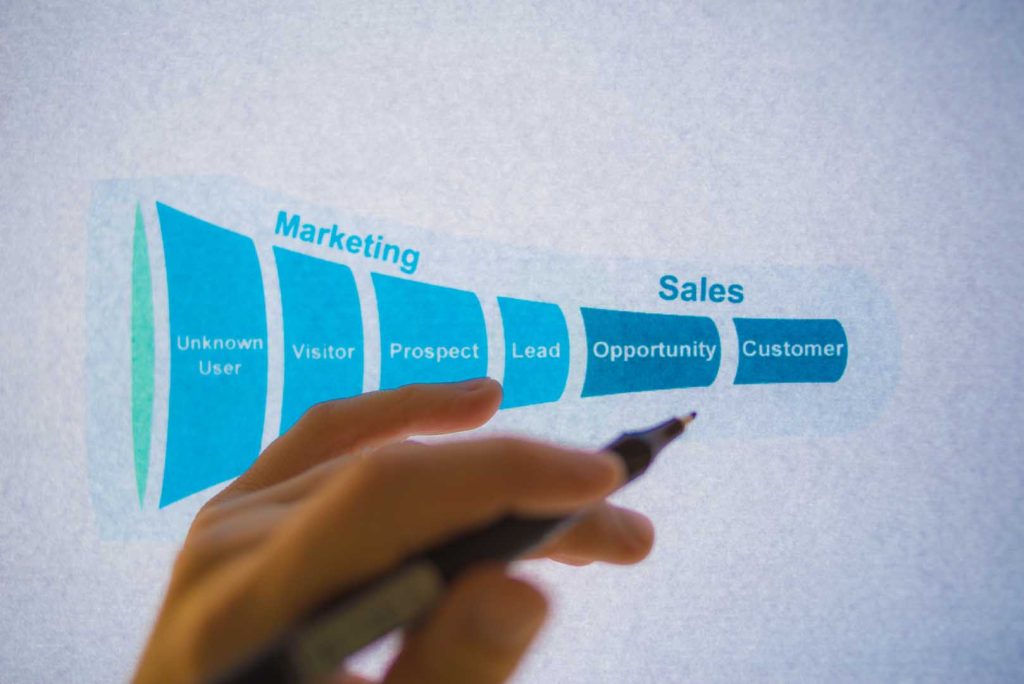
Most businesses think growth comes from one thing: more leads. So they invest in ads, SEO, and social media to increase traffic and inquiries. But there’s a problem with that approach, more leads don’t automatically mean more revenue. In many cases, businesses are already getting enough leads. The real issue is what happens after the lead comes in.
At SC Digital, we regularly see companies struggling with conversion not because of a traffic problem, but because of a broken or inconsistent follow-up system. And in almost every case, improving follow-up performance produces faster results than increasing lead volume.
More Leads Don’t Fix a Broken System
If your current process doesn’t convert leads effectively, adding more traffic only magnifies the problem. For example:
- If you close 10% of leads, doubling leads still means most are lost
- If response times are slow, new leads go cold regardless of quality
- If messaging is unclear, prospects lose interest before engaging
Without a strong follow-up system, lead volume becomes a vanity metric. The goal isn’t just more inquiries, it’s more conversions from the leads you already have.
Speed Is One of the Most Important Factors
One of the biggest determinants of whether a lead converts is how quickly you respond. When someone fills out a form or calls your business, they are usually in an active decision-making stage. That window is short. Delays in follow-up often result in:
- Lost interest
- Competitor engagement
- Decreased trust
- Lower close rates
Even a delay of an hour can significantly reduce conversion probability. Businesses that respond within minutes consistently outperform those that wait.
Most Leads Require Multiple Touchpoints
Very few customers convert after a single interaction. In service-based industries especially, buyers often need:
- Reassurance
- Additional information
- Proof of results
- Time to compare options
This means follow-up is not a single action, it’s a system of repeated, structured communication. Without a process in place, most leads simply fall through the cracks after the first contact attempt.
The Real Role of a Follow-Up System
A follow-up system is not just about sending reminders. It’s about guiding potential customers through a decision process. A strong system typically includes:
- Immediate response (automated or manual)
- Structured email or SMS sequences
- Scheduled follow-up calls
- Lead qualification steps
- Long-term nurturing for non-immediate buyers
The goal is to stay present throughout the decision cycle without overwhelming the prospect.
Why Lead Quality Is Not the Only Issue
Many businesses assume low conversion rates mean poor-quality leads. While that can be true, it’s often only part of the issue. Even high-quality leads fail to convert when:
- Follow-up is inconsistent
- Communication is delayed
- There is no clear next step
- Trust is not reinforced
In reality, lead quality and follow-up systems work together. One cannot compensate for the other.
Automation Improves Consistency
One of the biggest advantages modern businesses have is automation. With the right tools, you can:
- Instantly respond to new inquiries
- Send structured nurturing sequences
- Remind prospects about next steps
- Re-engage cold leads over time
Automation ensures no lead is ignored, even when your team is busy. It creates consistency, which is often the missing ingredient in underperforming sales processes.
Tracking Follow-Up Performance Reveals Hidden Revenue
Most businesses track how many leads they get, but not how those leads are handled. Without tracking, it’s impossible to know:
- How quickly leads are contacted
- How many follow-ups are completed
- Where leads drop off in the process
- Which touchpoints lead to conversions
When you start measuring follow-up performance, inefficiencies become visible, and fixable. This is often where businesses discover “hidden revenue” already sitting in their pipeline.
Better Follow-Up Often Outperforms More Advertising
Increasing ad spend is a common reaction to low sales. But in many cases, it’s not necessary. Improving follow-up systems can:
- Increase conversion rates without more traffic
- Reduce cost per acquisition
- Improve lead quality perception
- Maximize ROI from existing campaigns
In other words, you don’t always need more leads, you need better handling of the ones you already have.
Building a System That Scales
A strong follow-up system is not dependent on individual effort alone. It should be structured, repeatable, and scalable. That means:
- Clear processes for every new lead
- Defined timelines for outreach
- Automated support where possible
- Consistent messaging across channels
When follow-up becomes a system instead of an afterthought, businesses gain control over their conversion process.
Turning Leads Into Revenue, Not Just Opportunities
Lead generation gets attention, but follow-up is where revenue is actually created. Businesses that focus only on volume often struggle with inconsistent sales, while businesses that prioritize follow-up systems build predictable growth.
At SC Digital, we help businesses analyze both sides of the equation, how leads are generated and how they are converted. Because improving the second half of the funnel is often the fastest way to increase results. If your business is generating leads but not seeing consistent sales, the problem usually isn’t visibility. It’s what happens after the lead arrives.