
1 by 1 pix

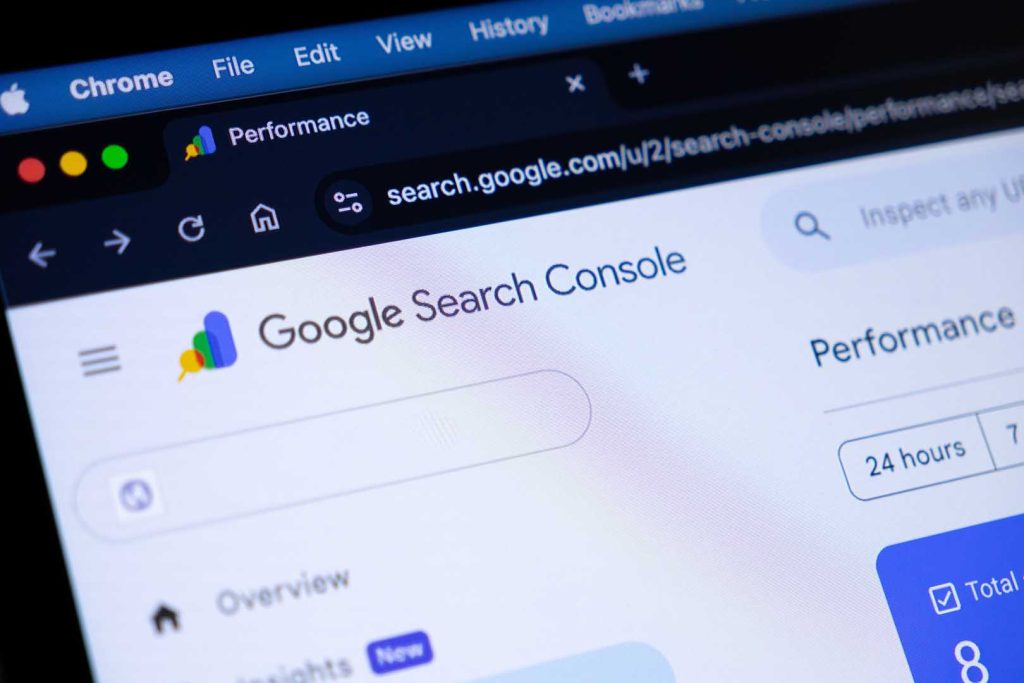
What is Google Search Console

Apr 7, 2026 | Conversion Optimization, Google Ads Knowledge, Google Guarantee, Knowledge

Many businesses invest in SEO without fully understanding how their website is actually performing in search. At SC Digital, one of the tools we use to bridge that gap is Google Search Console.

What Google Search Console Actually Does

Google Search Console provides direct insight into how your website appears in search results. Unlike third-party tools, this data comes straight from Google, making it one of the most reliable sources for understanding SEO performance.

The Data That Matters Most

We use Search Console to track:

This helps us move beyond surface-level metrics and understand what’s really driving results.

Finding Quick Wins

One of the biggest advantages of Search Console is identifying opportunities that are already within reach. For example:

  • Pages ranking just outside the top 3 positions
  • Keywords with high impressions but low CTR
  • Content that can be optimized for better performance

These insights allow us to prioritize efforts that can deliver faster results.

Diagnosing Technical Issues

Search Console also helps us identify problems that may be limiting performance, such as:

  • Pages not being indexed
  • Mobile usability issues
  • Errors affecting crawlability

Fixing these issues ensures that your website is fully accessible to search engines.

How It Shapes Content Strategy

At SC Digital, we use Search Console data to guide content decisions. Instead of guessing what to create, we:

This makes SEO more strategic and less reactive.

Why This Matters for Long-Term Growth

SEO isn’t a one-time effort, it’s an ongoing process. Google Search Console allows us to continuously monitor performance, adapt strategies, and improve results over time. At SC Digital, it’s not just a reporting tool, it’s a core part of how we drive measurable SEO growth for our clients.

Get Your No-Cost Digital Success Blueprint

"*" indicates required fields

This field is for validation purposes and should be left unchanged.

Recent Blogs

How to Prioritize SEO Fixes When Your Website Has Multiple Issues

When reviewing a website's SEO performance, it's common to uncover several issues at once. Pages may load slowly, title tags may be missing, some links may lead to broken pages, and important service pages may struggle to rank in search results. With so many potential...

How to Turn Customer Questions Into a Month of Social Media Content

Coming up with fresh social media content every week can be challenging for businesses. You want to share posts that are relevant to your audience, demonstrate your expertise, and encourage potential customers to engage with your brand. But constantly brainstorming...

The Hidden Cost of Outdated Information on Your Website

Your website is often one of the first places potential customers go to learn about your business. They use it to understand your services, find contact information, compare options, and decide whether to reach out. But what happens when the information they find is...

What Should Happen After Someone Submits a Website Contact Form?

Getting someone to fill out a contact form is an important step in turning a website visitor into a potential customer. But submitting the form is only the beginning of the process. What happens next can influence whether that person becomes a customer or moves on to...

What Is Search Intent and Why Does It Matter for SEO?

When someone searches something on Google, they usually have a specific reason for doing it. They may be trying to learn how something works, compare their options, find a local business, or hire someone to solve a problem. That reason is known as search intent....

Why Some Pages on Your Website Get Traffic While Others Don’t

If you look at your website's analytics, you may notice that some pages receive hundreds or even thousands of visits while others barely get any traffic. That can seem strange, especially if the pages are all part of the same website. The reason is that Google doesn't...

Categories