
How to Sell High-Ticket Items on Facebook
Our proven five-step process will help you sell high-ticket items via social media. From cars and boats to ATVS and custom kitchens, this simple approach will help you sell anything people aspire to have.
1. Choose a Sexy Product.
The most important step to driving leads and phone calls on your high-ticket item is to choose a product that “stops the thumb.” The product featured in your ads must be surprising and memorable. It has to be attractive enough to take the searcher’s attention away from whatever he or she was doing, and transfer that attention to your ad.
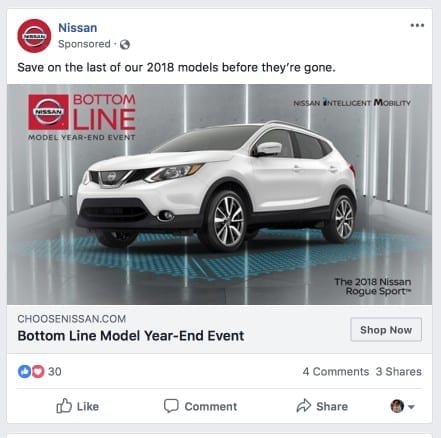
We find that the most attractive, attention-grabbing products tend to have beautiful exterior features, unexpected design, uncommon colors, and other characteristics that differentiate them from every other product like them. For example, compare the following two ads. The first one is a nice car, but there isn’t much “special” about it. Nissan would have been better served to show multiple Rogues in different trim levels and colors. By comparison, the Banks ad has many colors, exciting trim options, and motivating copy. Therefore, the second ad is much more likely to get high engagement scores and generate comments.

2. Choose a Great Offer.
It’s a good idea to make your “offer” directly in your ad. The best offers will add to the “eye-catching” nature of of your creative, because they will appear to be very inexpensive. Great offers should make your product accessible to people in various income demographics… not just the highest earners.
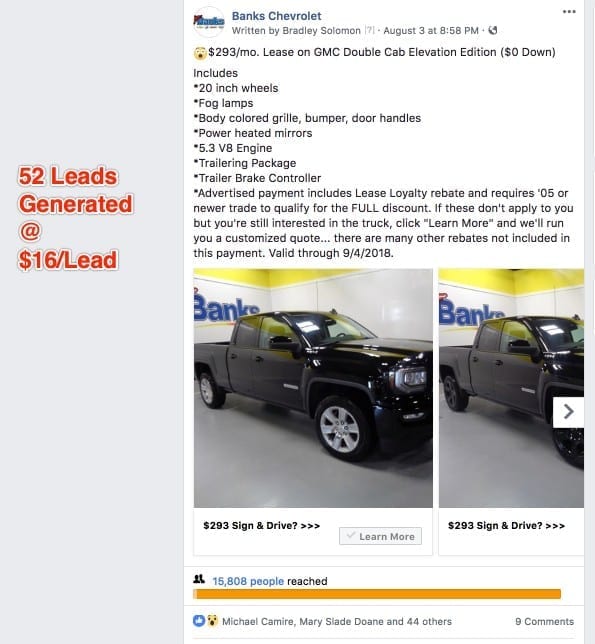
For instance, a great way to attract attention to your product is to display a low finance or lease payment. Keep the payment as low as possible, because the lower it is, the more engagement you’ll likely gain.
Consider the following example. This one worked very well because the payment is low enough for many people to afford, and the vehicle was attractive and unexpected (mostly because of the wheels).
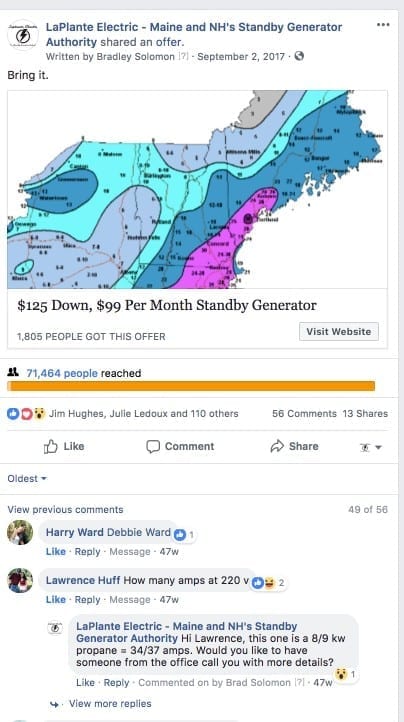
Here are a couple others that worked very well. In the case of the standby generator ad, we took a high-ticket item (a standby generator) and made it affordable to the masses. Many people don’t want to part with $5K – $8K for a generator (considering they might not use it anytime soon). But they are much more likely to spend $99 per month to buy the peace of mind they’ll receive. The second ad positions the solar panel investment in a way that pays the buyer for making it!

3. Set up your ads as a funnel.
Always treat your Facebook ads like a “funnel.” In other words, you should set up your ads in groups of at least two. The first ad should engage a wide number of people and allow you to build a good sized “custom audience.” The custom audience will be the grouping of people you will “retarget” with your second ad. By advertising in this manner, you’re making many people aware of your potential solution, and only spending additional ad dollars on the people who are most likely to become your customers. The process looks like this:
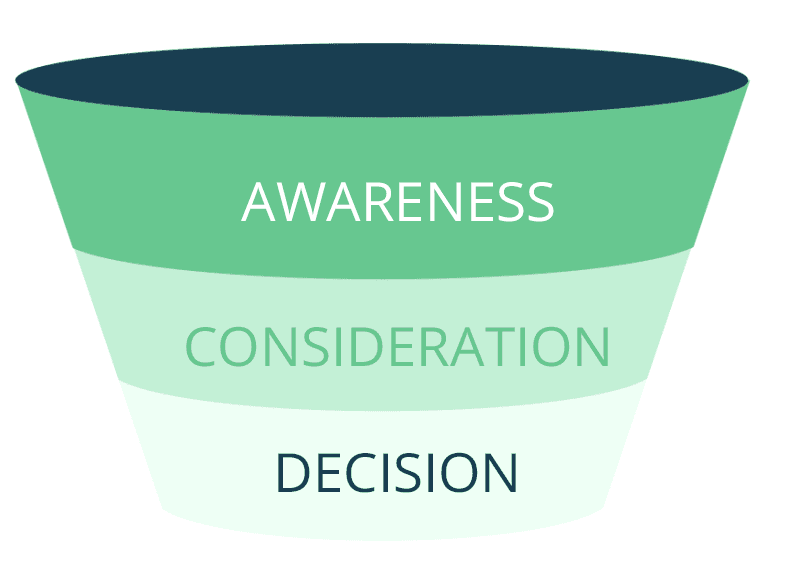
Engage lots of people with your pretty ad >>> Retarget the people who engaged most heavily, and ask those people to take action (fill out a form, visit a landing page, etc.)
By the way, if you really want to put the icing on the cake of your high ticket digital marketing strategy, consider adding Google Ads to the mix. Check out some strategies to sell more high ticket items using Google Ads here.
4. Be ready to respond.
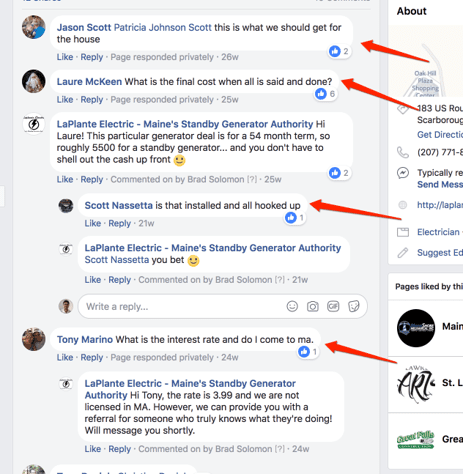
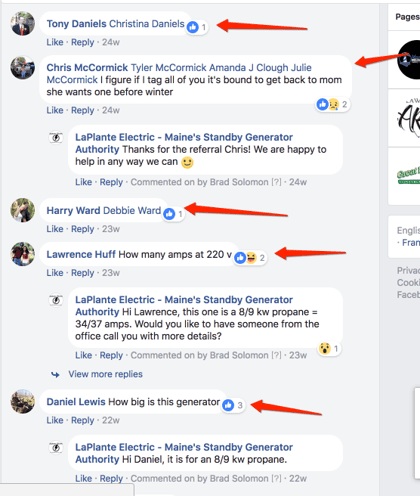
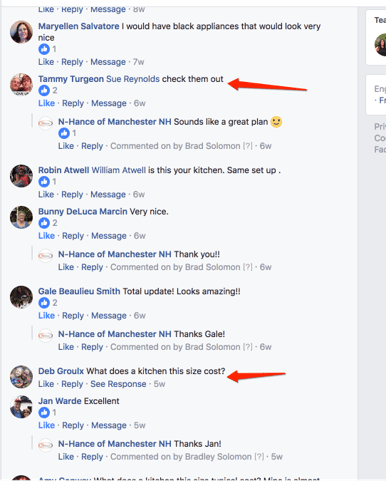
If you’re following the steps outlined, you will likely see many leads flooding into your inbox, many comments with people asking for information, and lots of people sending you messages through Facebook Messenger. Don’t let this catch you by surprise. Someone needs to be prepared to handle these opportunities as they come in. Consider giving multiple people on your team access to your Facebook admin account so that comments can be responded to swiftly.
*Tip for responding to comments: Take them offline whenever possible. When someone asks a question about your offer, consider first answering publicly. Then, send the person a private message in which you gain a phone number and email address. You can use the word track, “Hi James! Shelly here from XYZ Company. Would be happy to have someone from our customer care department reach out to answer all of your questions. What is the best number at which you can be reached?”
Treat Everything as a Lead:

5. Track effectively.
Keep track of how much you’re spending on your ad campaigns, and the cost to generate each lead. Remember to compare these figures to the amount of revenue generated as a result of your campaigns. If you find you’re getting a positive ROI, then you should consider investing more in your advertising. After all, every dollar invested is returning a higher amount to your bank account… so why not? However, if your campaigns are losing money, then it’s time to re-evaluate and try something different. Don’t give up altogether, though… building a profitable campaign takes practice and optimization.
Don’t have time to do this all yourself? We can help.
Book a strategy call to get concrete help marketing your
high-ticket items
Looking to have more confidence in your marketing strategies? Let us review your existing digital strategy and identify your top opportunities for grow your sales of big ticket items, at no cost or obligation.
Related Content

What Makes a Website Feel Professional?
When someone visits your website for the first time, they make an impression of your business within seconds. They may not know anything...
What Makes a Lead a Qualified Lead?
Getting a new lead can feel like a win. Someone filled out your form, called your business, or sent a message, so the marketing is...

What Is Topical Authority and Why Does It Matter for SEO and AEO?
If you want your business to show up in Google and be recommended by AI search tools, having a website that simply lists your services is...